At Communi-T we are always, always thinking about what activities to share with trans, genderqueer and non-binary people, and as our first, we have been carefully building a programme.
It’s called… Welcome to My Body!!!
<Welcome to My Body> was designed to give trans people a chance to affirm their bodies and try out exercise as part of a healthy way of life. Put more simply: it’s a programme made in the spirit of ‘Trans people, let’s get moving!’
Welcome to My Body! A warm name that’s perfect for Communi-T, which wants to create a space of welcome, right? It’s a little long, though, so may we gently suggest the nickname <Welmaba>.
Welcome to My Body??
Welcome to My Body!!
But seriously, you never heard about the first cohort starting and suddenly here’s the write-up. Surprised?
Why was there no call for participants for the first cohort? Because Welmaba’s first cohort ran as a pilot. As this is Communi-T’s very first programme, rather than opening it to the public straight away, we invited a small group of participants and ran the real programme with them, so we could refine it into something better.
It was all to make a good programme, so please forgive us for running the first cohort in secret (?!?!) ㅜㅜ We’ll prepare well and serve up a delicious second cohort.
So, shall we look at how the Welmaba pilot cohort went, with photos?
Alongside Communi-T’s activists, the Welmaba programme was created from planning to programme design with an expert group: Woo Seung-yeon/Rider, lead counsellor at DDingDong, and personal trainer Goun.
Each cohort has four sessions. Sessions 1 and 2, in the first half, are grounded in counselling: participants take time to feel their bodies and listen to their bodies’ stories. Sessions 3 and 4, in the second half, are about actually moving, trying the exercise each person needs and imagining how they’ll keep exercising.
20 February 2026
Session 1: Welcoming the body’s history
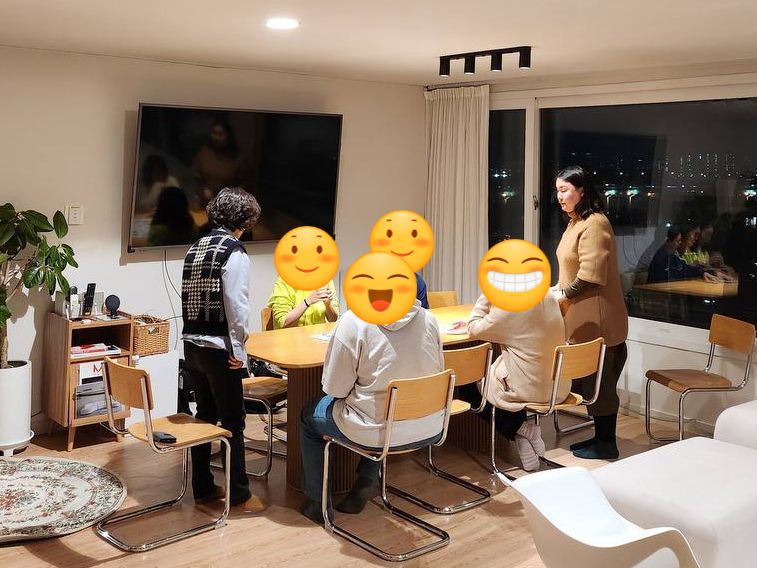
The first session of the first cohort took place in a lovely space overlooking the Han River and the Olympic Expressway.
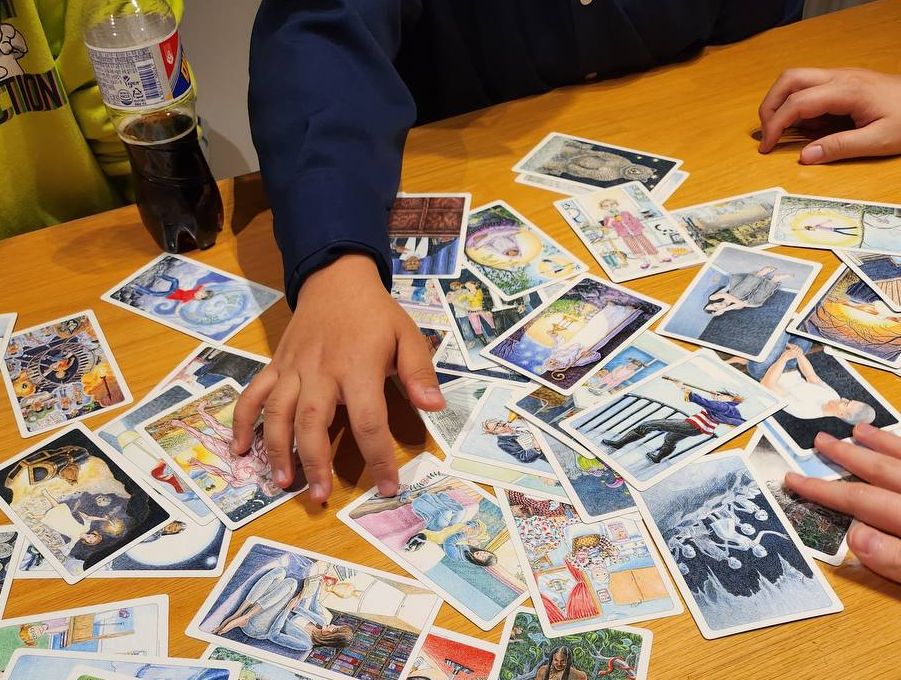
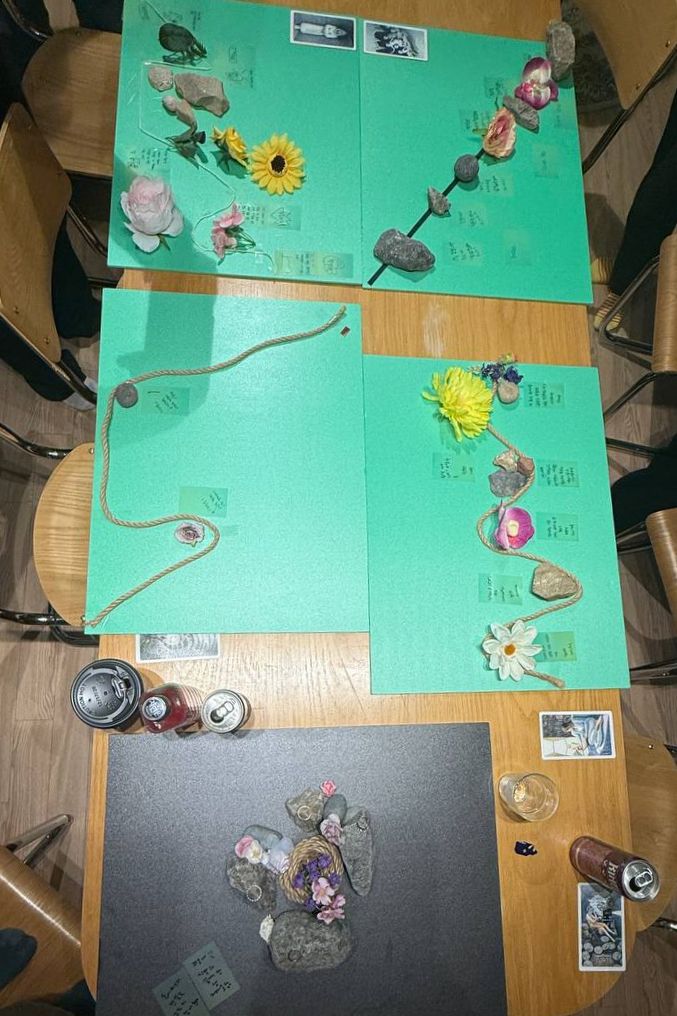
We started by getting to know each other, using tarot cards to share how we were feeling. Participants then checked in on how they were doing with a checklist, and moved on to a ‘life line’ exercise, expressing the timeline of their lives with all kinds of objects. Along the way, they shared stories of their bodies through different stages of life, only ‘as far as they could’ and ‘as much as they wanted’.
27 February 2026
Session 2: An invitation to my body
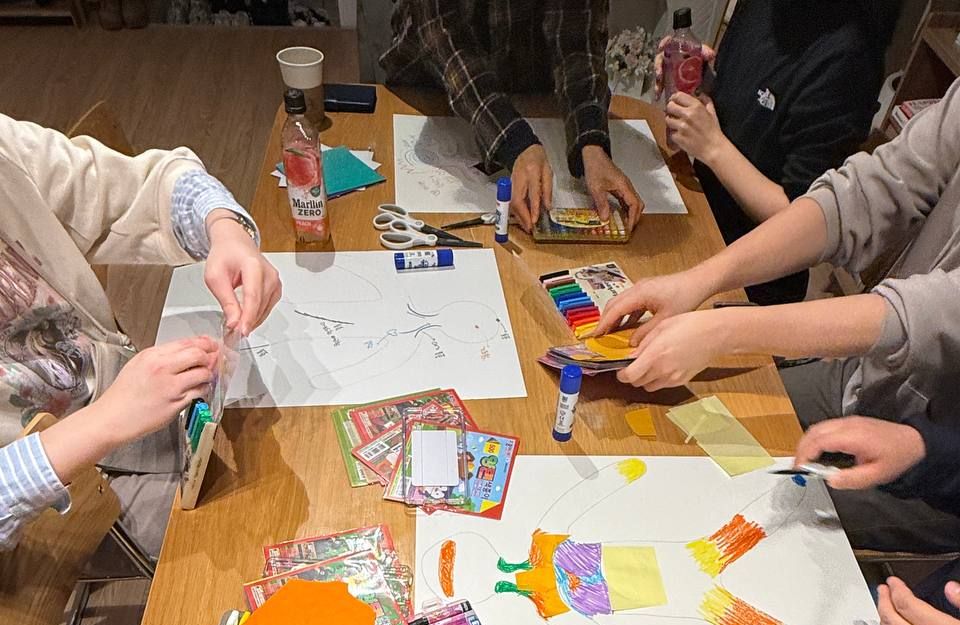
Session 2 opened with everyone sharing how their week had been. Next came a body scan, gazing slowly at our own bodies with the mind’s eye. In a quiet, calm atmosphere, we felt our bodies in detail from head to toe, then expressed this visually using different materials and tools. It showed us how we perceive and feel every part of our bodies.
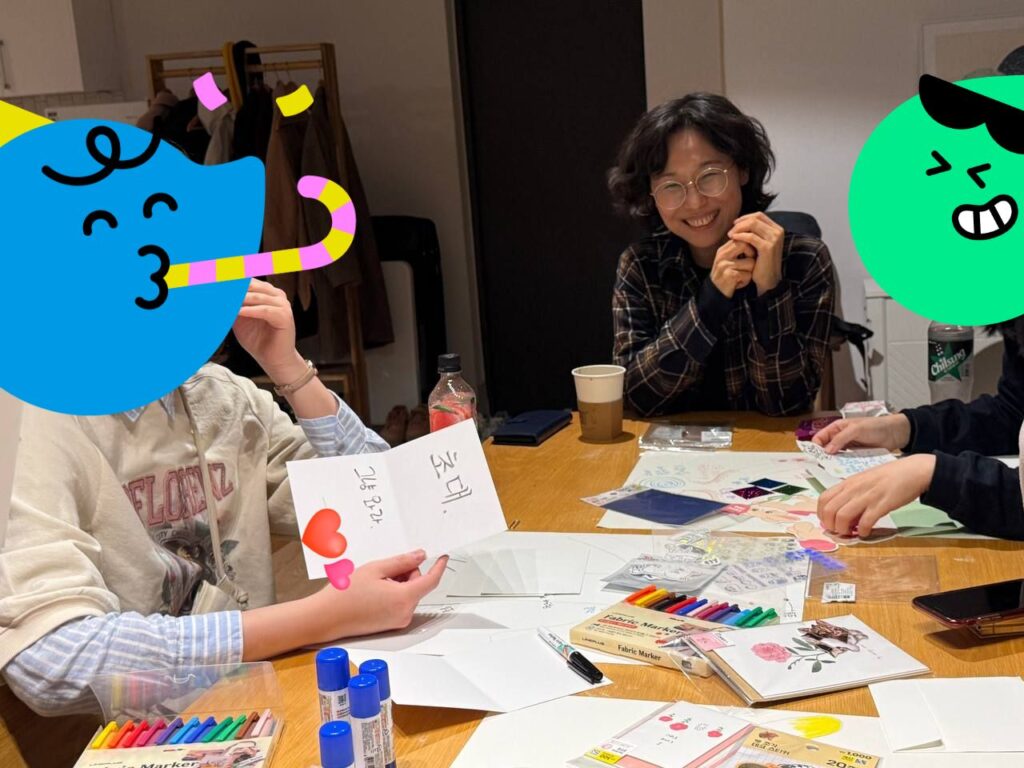
In the second half of Session 2, we talked about the goals we’d like for the exercise sessions in Sessions 3 and 4, and wrote them as an invitation: a message inviting ourselves.
28 March 2026
Session 3: What it means to move your body
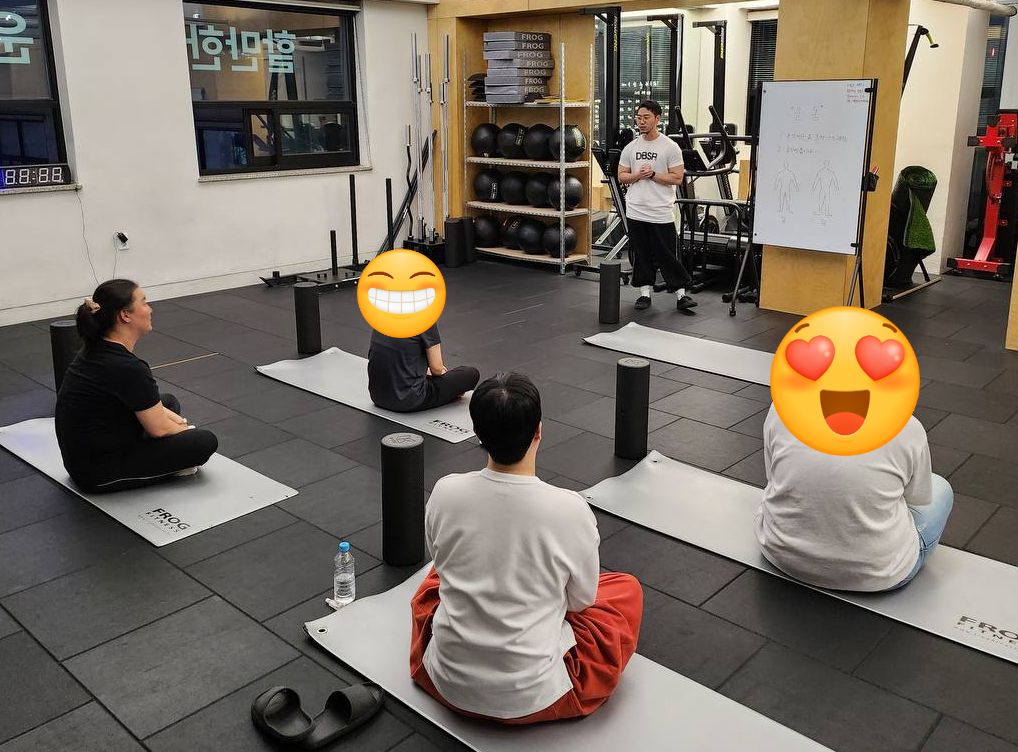
After wrapping up Sessions 1 and 2, focused on becoming aware of and talking with our bodies, the planning team met again to work out how best to run the exercise sessions. Given that this is an exercise programme with trans people, we worked really hard to find a suitable space to hire. In the end we found a great venue with a toilet and changing room we could use privately, where exercise classes could run well!
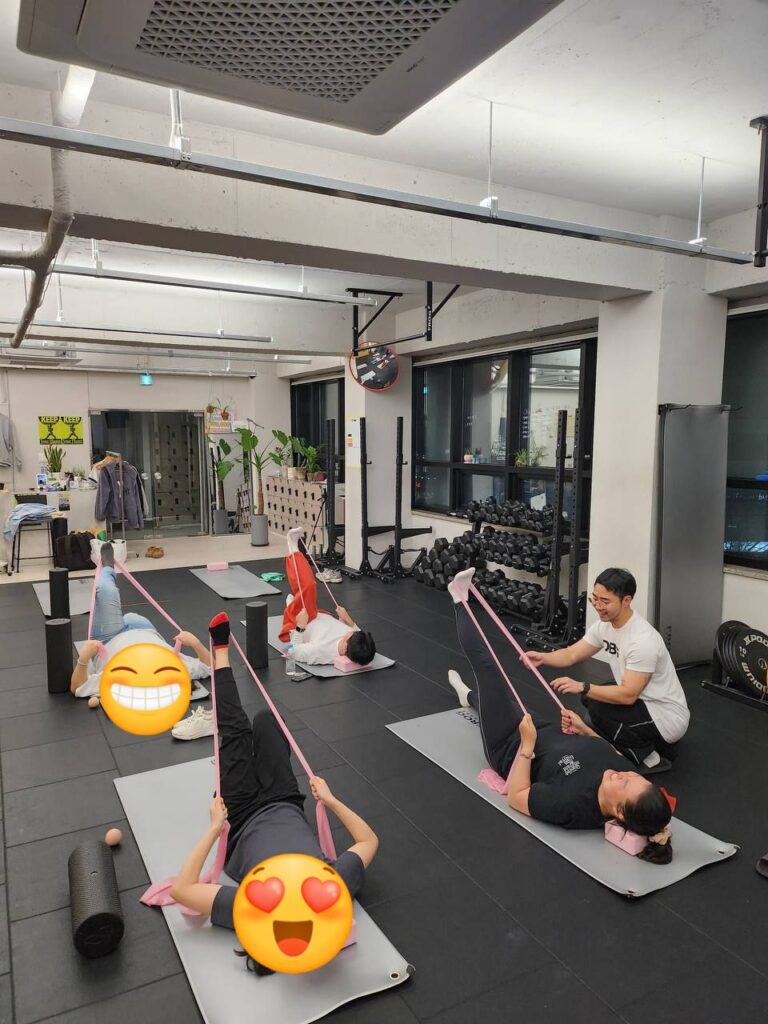
Meeting again after about a month, in Session 3 we talked with personal trainer Goun about what exercise is, and what exercise means for trans people, and learned a range of stretches and bodyweight exercises, the very basics. Basic they may have been, but for all of us who’d lived far from exercise, they felt seriously tough… (it was really hard…) But! Doing it all together, even sweaty and tired, it was strangely fun!
4 April 2026
Session 4: Personalised movement coaching
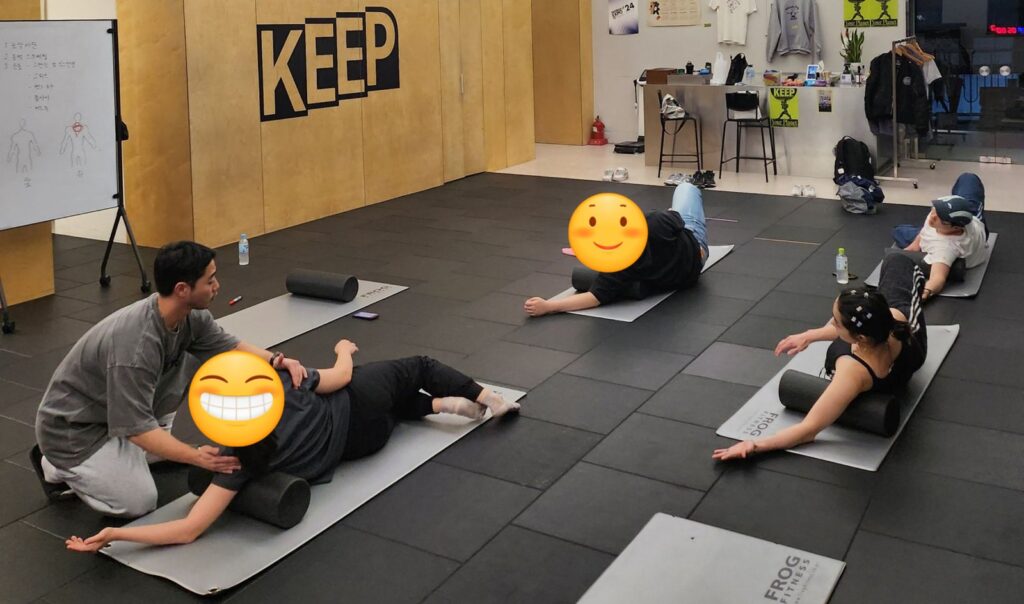
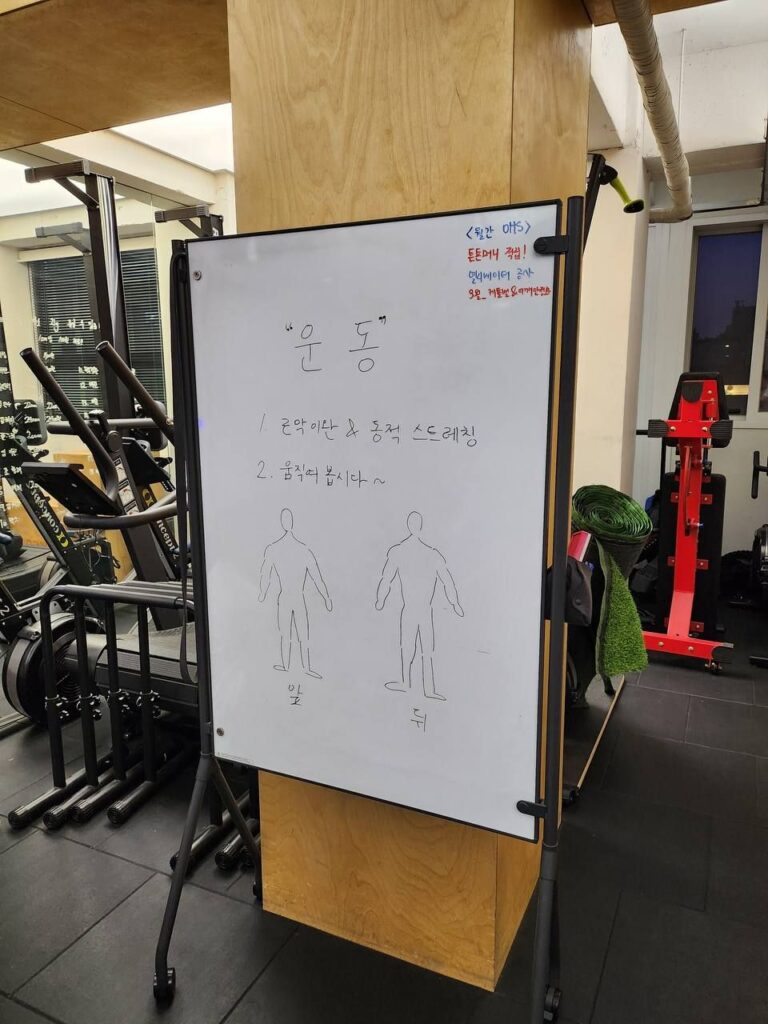
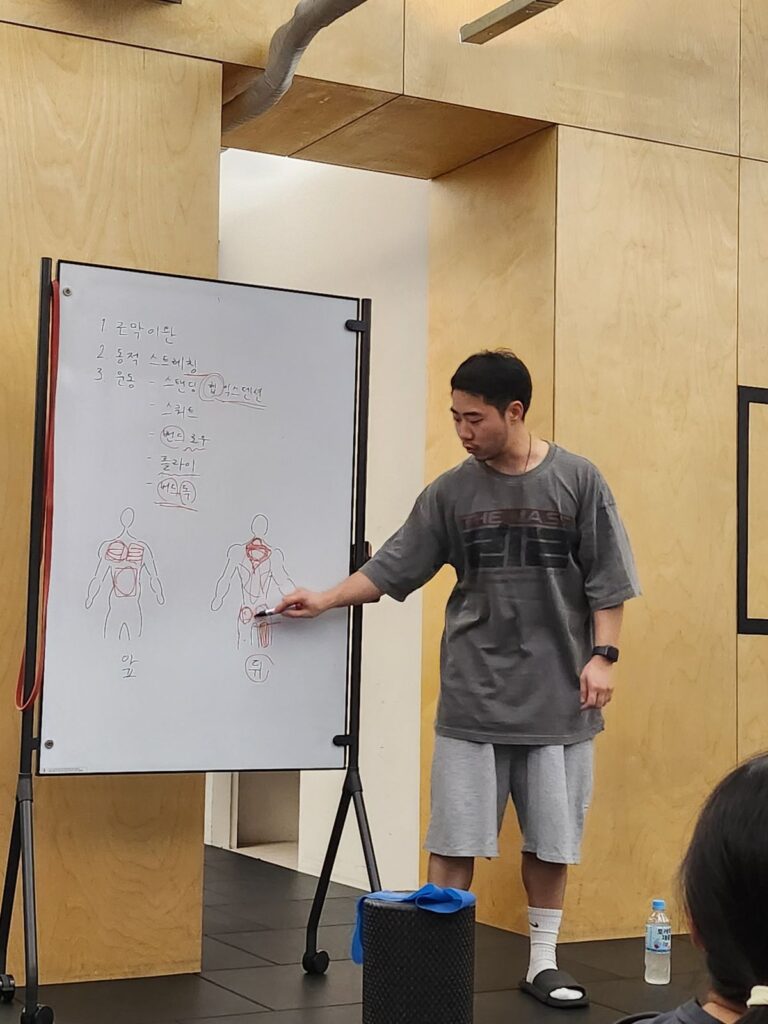
Session 4, the last of the first cohort, started with a quick recap of the stretches and exercises from Session 3. Only a week had passed and we’d forgotten most of the moves (surprising, right?!), but going over them with the instructor, the memory came back amazingly fast.
Then, going a little deeper, we talked about the moments in daily life when each of us had needed exercise, and shared all sorts of personal worries about our bodies and health, including the situations we face as trans people. Based on those conversations, we discussed which exercises each participant needed most and learned them together, bringing Session 4 to a close.
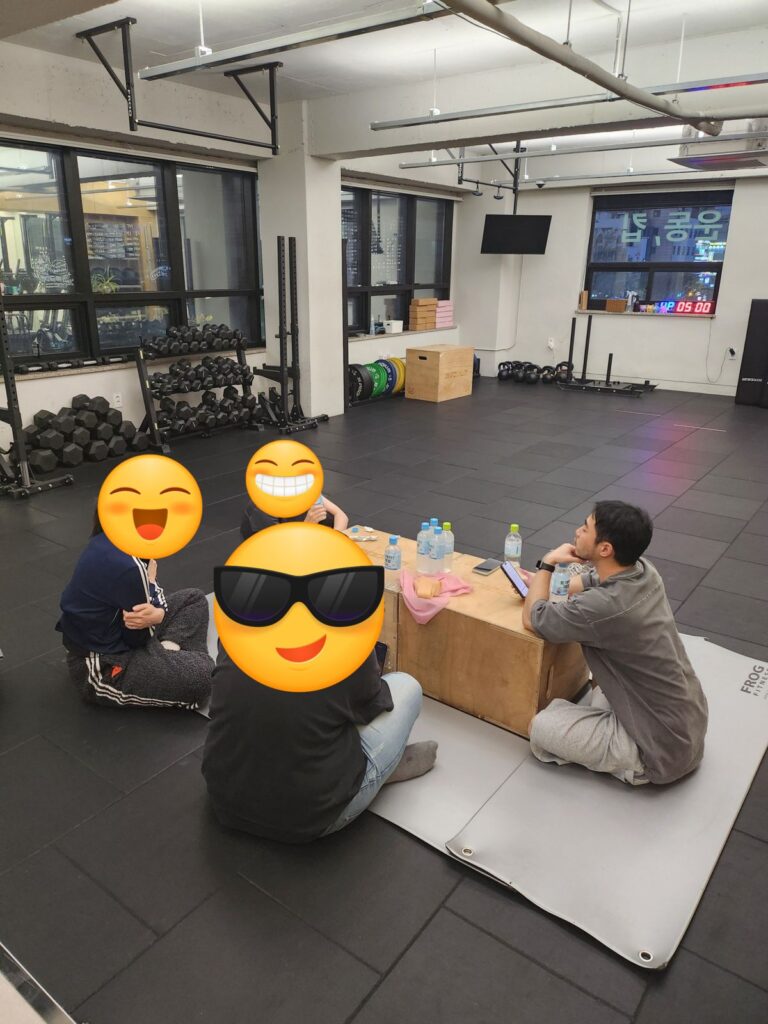
With five trans participants (although a few dropped out along the way… ^^;;;), the first cohort of Welmaba, run as a pilot, came to a successful and beautiful end.
Looking back on the first cohort, we realised that what exercise you do matters, but so do where, with whom and in what spirit you do it!!
We’re preparing to open the second cohort of Welcome to My Body 2026 in May. We’ll come back with an even more fun and meaningful second cohort, reflecting everything we learned from the first.
For the second cohort, we finally plan to open applications to the public. Because of the nature of the programme we can’t take very many people and places will be first come, first served… but we hope lots of you apply!!
This will be one of Communi-T’s regular programmes, our signature programme, and we plan to run it every year, so please keep following it!!
With Communi-T,
let’s get moving together!!!
Every donation to Communi-T goes towards building a trans community space and running the organisation. We’ll keep working so that trans people can be “warmly welcomed just as they are, in their gender identity” and “connect joyfully in a space where they feel at ease”!
🔗 Support Communi-T monthly
A trans community hub supporting self-affirmation and connection for trans people isolated by discrimination and prejudice
Translated from the Korean original, first published on Communi-T’s Naver blog. The translation is machine-assisted; if anything reads oddly, the Korean original is the authoritative version.